
"Palliative care has its limits" - A collection of testimonies supporting the limits of palliative care
- リップディー(RiP:D)

- Nov 30
- 7 min read
"Palliative care has its limits" - A collection of testimonies supporting the limits of palliative care
Our association not only collects government documents but also testimonies found on the Internet on a daily basis (circumstantial evidence, so to speak).
We will continue to add testimonies that demonstrate the limitations of palliative care. Please feel free to use them as a reference.
If you don't know about palliative care and sedation, click here → ★★★
As I have already mentioned on the page about palliative care in " What is Euthanasia ?" ( indirect euthanasia → sedation), Mayumi's post on X, which pointed out the limitations of palliative care , was a brilliant insight.
Using his own experiences and information gathering skills, he provides insight into the "limitations of palliative care."

Video provided by Mufumufu Channel

It is estimated that 20 terminally ill people die from unrelieved pain every day in the UK
This is according to a study by the independent Office for Health Economics (OHE).
(omitted)
According to the report, even with the " highest possible standard of hospice-level palliative care ,"
More than 7,300 people across the UK will suffer from unrelieved pain in the last three months of their life in 2023
In 2019 , the figure was about 6,400 people, a figure that is about 400 people per year.
It increased by 15% between

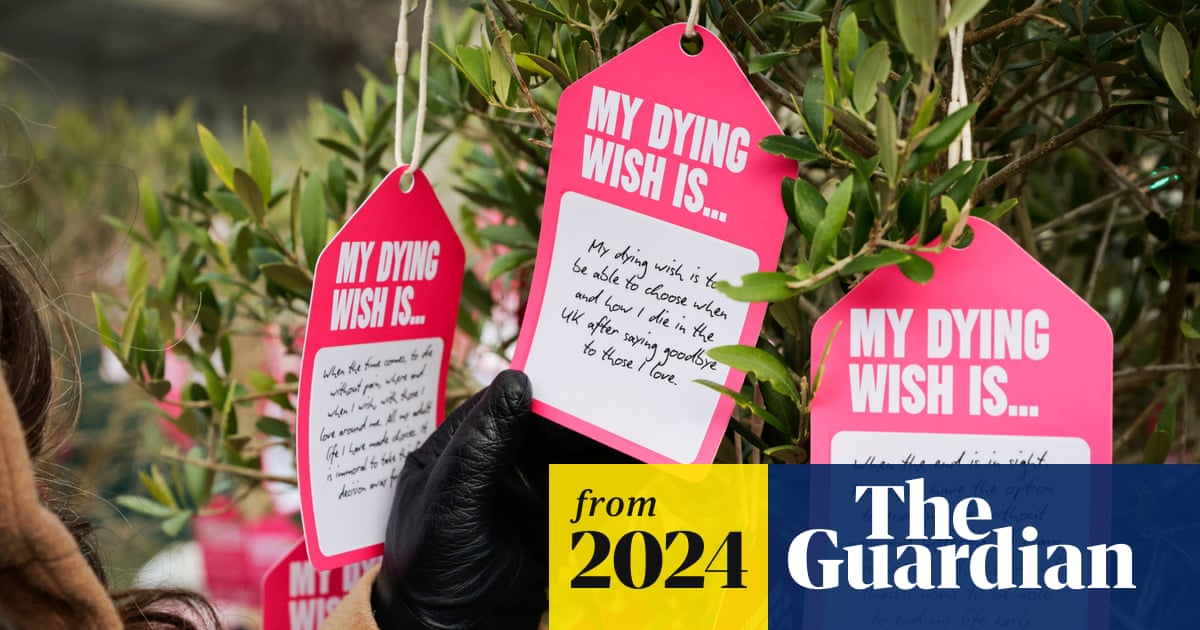
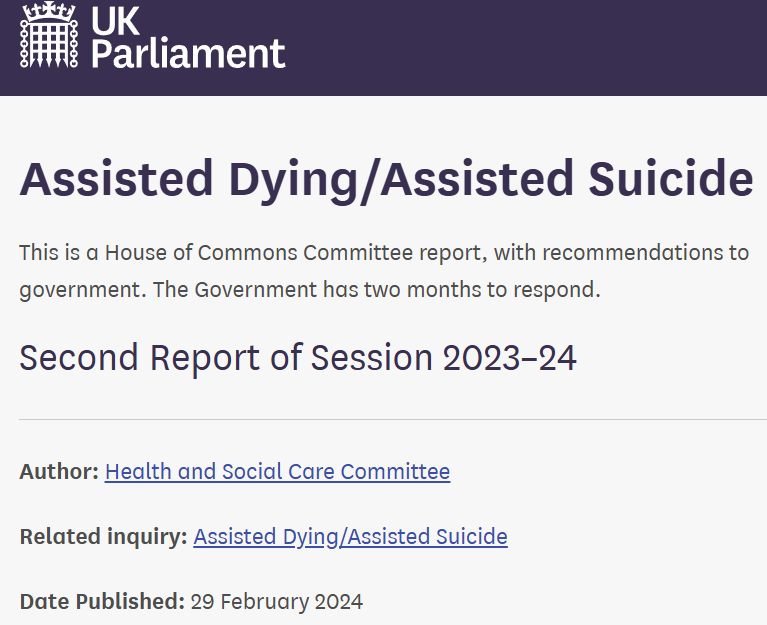

The report submitted to the House of Commons Committee in connection with the consideration of the Euthanasia Bill in the UK Parliament is outstanding.
See the section on palliative and end-of-life care .
The book contains comprehensive research into the state of palliative care around the world .


England :
21% of patients receiving hospital palliative care have incomplete pain control , and 32% only receive partial pain relief (Royal College of Physicians, 2016; VOICES survey, 2016)
10-15% of cancer patients suffer from treatment-resistant pain (pain that does not respond to pain relief techniques), and up to 30% continue to report pain.
Even with optimal hospice care, 50,709 people die annually with some degree of pain , and 5,298 of those die without any relief in the last three months of their life (Office for Health Economics model)
Many patients have testified that "even with the best care, the unbearable pain and despair continue, and it feels like treating animals worse than humans," and there have been reports of MS patients planning suicide due to the "pain with no way out" (Dr. Matthew Doré testified: "Despite our best efforts, the symptoms are unmanageable and the suffering is prolonged").
Reports on countries where euthanasia and dignified death are legal (all of these countries have extremely high rates of palliative care, between 70% and 95%)
Canada:
- 77.6% of users chose MAID (also known as assisted dying) despite receiving palliative care , 40% only used it for a short period of less than one month, and 16.8% refused it despite having access to it.
Reasons cited include loneliness (17.1%) and feeling like a burden on family (35.3%), with non-cancer diseases (e.g., neurological disorders) accounting for 3.5% of cases, and the number of cases has risen sharply (44,958 cases since 2016, 4.1% of causes of death).
Oregon (USA):
91.4% of the users were in hospice or palliative care, and 46% had their euthanasia plans canceled due to care intervention, while 15% still chose euthanasia .
The number of deaths is expected to increase (2022: 0.6% of causes of death) due to reasons such as the burden on families (48%) and concerns about medical costs (125 cases reported).
Australia (Victoria):
81% were receiving palliative care , but of the 306 applicants up to June 2023, 76% were terminal cancer patients , and 66% actually used the medication after it was prescribed .
Mental suffering such as "loss of self and dignity" leads to resistance to care
Belgium and the Netherlands:
After legalization, the government doubled its palliative care budget , but the number of euthanasias has actually increased (Belgium 2021: 2,700 cases, 62.8% cancer, 7.9% neurological diseases; Netherlands 2022: 8,720 cases, 5% cause of death, 57.8% cancer, 7.0% neurological diseases, 1.3% psychiatric diseases).
Cases of mental illness also show the limits of palliative care due to deep emotional suffering (feelings of despair) .
⇩
[Conclusion]
Approximately 80% of patients who receive palliative care are able to die peacefully.
The remaining 20% die a tragic death accompanied by pain.
No matter how extensive and widespread palliative care services are...
Whether or not the patient receives the service
The desire for a peaceful death (euthanasia) at the end of life is universal
Japanese palliative care doctors intentionally ignore the 20% of patients who die in pain for some reason.
Bestselling Non-Fiction Books
The day I stopped dialysis Keiko Horikawa
A masterpiece that sharply examines the issue of palliative care through the lens of dialysis

"We lived desperately, but we didn't know how to die."
Why can't dialysis patients have a "peaceful death"?
Why can't I even receive "palliative care" ?
After more than 10 years of hemodialysis, kidney transplants, and repeated dialysis, my husband decided to stop dialysis.
A breathtaking medical nonfiction work by an author who was present at his tragic end!
From the Prologue
"When my husband's overall condition began to deteriorate and he was no longer able to maintain dialysis, which had been his lifeline, I was at a loss as to what to do.
When I ask the doctor, I get no answer.
We were given no choice but to continue dialysis to the end, no matter how painful it was, even if the patient lost consciousness .
At the age of 60 years and 3 months, he experienced the greatest suffering of his life in the last few days of his life.
I still have some doubts as to whether that pain was truly unavoidable .
Why is the vast amount of data available on dialysis patients at the end of their lives not being used in clinical practice regarding death?
Why is no one trying to change this contradictory medical system?
Who exactly is medical care for?
YouTube videos
Provided by Jisoo, a patient with an incurable disease seeking euthanasia
The old media is only concerned with ``consideration'' and does not report on the limitations of palliative care.
I would like many people to watch this testimony video (please spread it).
Many people's true feelings about palliative care
Thoughts and voices of the public (non-medical workers)

I lost a family member to cancer, and in the final stages of his life he was kept asleep in a palliative care ward with morphine drips.
Sometimes when he wakes up he sounds in pain and only says things like "It hurts," "It's painful," and "Let me die . "
And then morphine is added.
I think the doctors did the best they could in Japan, but I didn't know what the treatment was for...
Even when he passed away, rather than feeling sad, I felt more of a sense of relief, thinking, "I'm glad he can finally be at peace."
If Japan had a system for euthanasia, I might have chosen it.
I wish there were options in Japan that would allow us to respect the final wishes of the individual .

Terminal cancer patients experience excruciating pain.
My mother also kept saying it hurt and asking me to let her come.
Once you start using morphine, your consciousness becomes hazy and you even start to hallucinate, and you can no longer maintain a normal mind .
I truly wanted him to be at peace, but I also had an equally strong desire for him to live.
I don't know whether it is right or wrong for a person to request euthanasia themselves, but I think it should be an option .

My father also died of cancer at the age of 54. He was in great pain at the end, and the cancer had spread throughout his body, so he was given morphine to render him unconscious .
In the end, we used a drug that was said to cause immediate death (terminal sedation), but at least he was able to pass away without pain.
When the medication wore off, I was in such unbelievable pain that I still remember that time.
Approximately one in three people die from cancer, which is very scary, I think euthanasia should be an option while the person is still conscious and able to make their own decisions.

Like the commenter in the comment section, it has been a year since his father-in-law died of cancer.
After the chemotherapy stopped working, he took narcotics and strong painkillers at home, and even though his hands were shaking and cold and he had lost his sense of touch and taste, he still greeted his grandchildren with a smile when they came to visit.
He unexpectedly caught coronavirus from a visiting nurse and was hospitalized with pneumonia.
He was hospitalized in the palliative care ward at the end , but his condition suddenly worsened and he was lying in bed with his eyes open. Was he awake? Could he hear? We watched him have his phlegm removed , breathe with difficulty, and make sounds as if trying to communicate something .
It was painful to watch.
She lived to the fullest until the very end, when her grandchildren could gather together.
From a family perspective, I would like him to live, but I also think that if he is going through such pain and suffering, then euthanasia should be an option .

My mother also fought cervical cancer for 15 years and was completely cured, but three months later she was diagnosed with lung cancer and passed away three months later.
In the end, he refused painful treatment and was given palliative care. I strongly wish euthanasia was available in Japan, as he seemed to be in pain until the very end .
He seemed incredibly peaceful at the end ( we assume he was in a lot of pain before he was sedated ) . I was sure he was finally freed from that excruciating pain, and I cried as I recalled the pain of his passing and the days we fought together.
Please make euthanasia legal!
I want people to value a dignified death!

Ryuichi Sakamoto passes away: "It's so painful. Let me go now."
Family and doctors reveal that he fought cancer to the bitter end while still a musician


![[Euthanasia in Iceland #1] The current situation of euthanasia in Iceland - Attempts and interruptions to legislation regarding "death as self-determination" in the Nordic countries -](https://static.wixstatic.com/media/1e6e15_93e70f2eee814038b85d3837fddbc8fc~mv2.jpg/v1/fill/w_980,h_654,al_c,q_85,usm_0.66_1.00_0.01,enc_avif,quality_auto/1e6e15_93e70f2eee814038b85d3837fddbc8fc~mv2.jpg)
